

Running an online casino affiliate program without solid tracking is a bit like driving with no speedometer. You're moving, sure. But you have no idea how fast, how far, or whether you're about to run out of fuel.
Affiliate tracking in iGaming is the backbone of any program worth running. Get it right, and you know exactly which partners are pulling weight, which traffic converts, and where your marketing dollars go. Get it wrong, and you're basically guessing with real money.
This guide breaks down the best practices for affiliate tracking in online casinos… the ones that make a true difference in 2026. Whether you're setting up your first program or fixing a leaky one, there's something here for you.
Why Affiliate Tracking in iGaming Is a Different Beast

Most affiliate tracking principles apply across industries. But iGaming? It has its own quirks.
You're dealing with long player lifecycles, complex commission structures (CPA, RevShare, hybrid deals), multiple jurisdictions, and partners ranging from solo bloggers to massive media networks. A basic tracking link and spreadsheet won't cut it here.
What separates strong iGaming affiliate programs from weak ones often comes down to how well they track. And not just clicks, but the full picture: registrations, deposits, player value over time, and compliance signals.
The Stakes Are Higher Than in Most Niches
A single high-value affiliate can drive dozens of depositing players per month. If your tracking misfires even once (a cookie drops, an attribution window is too short, a postback fires late) you risk underpaying partners, losing trust, or worse, paying commissions on low-quality traffic you can't verify.
Accurate tracking is what keeps your program running and your affiliate relationships intact.
8 Must-Have Features in Casino Affiliate Tracking Software
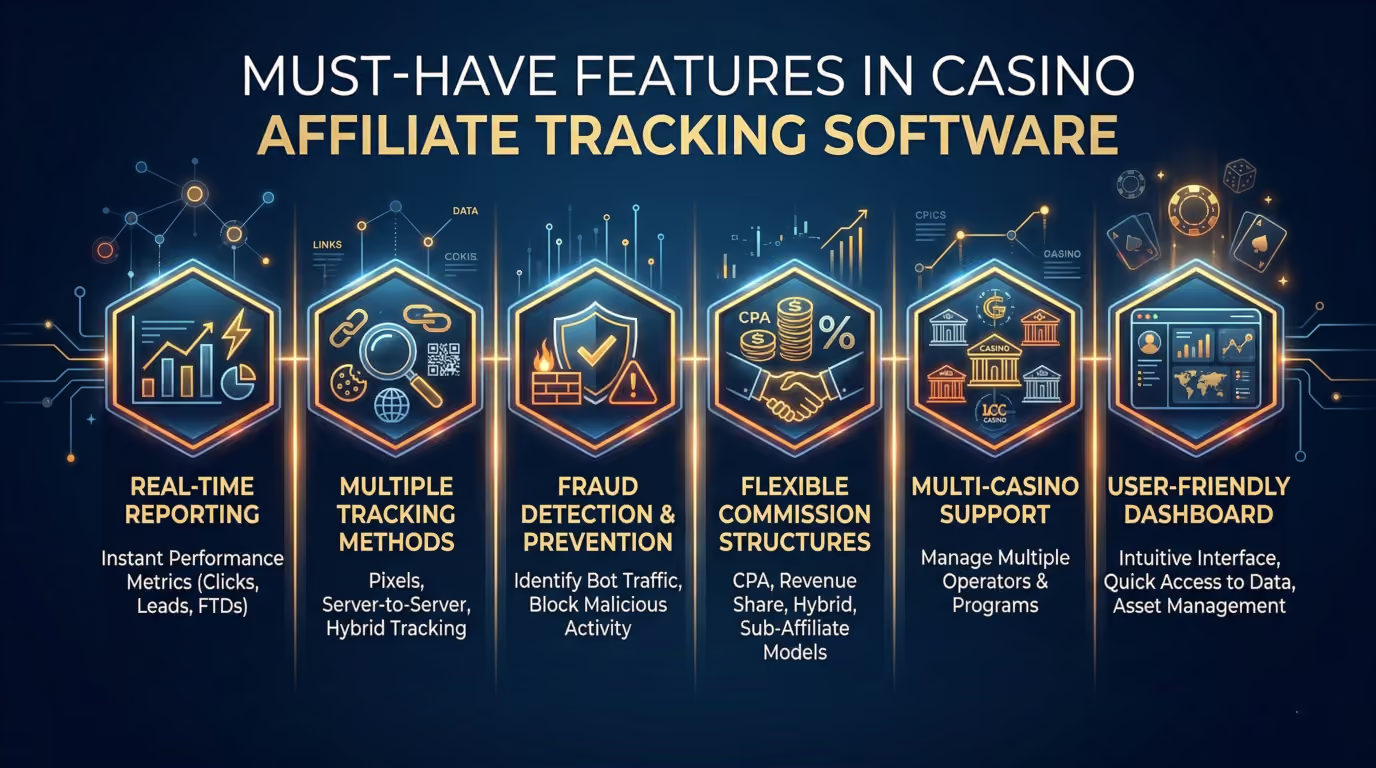
Before looking into practices, let's talk tools. Your tracking setup is only as good as the software behind it. Here's what any serious iGaming operator should look for:
- Real-time data reporting: You need live visibility into clicks, registrations, and deposits. Delayed data leads to delayed decisions.
- Postback (server-to-server) tracking: Cookie-based tracking alone is unreliable. S2S postbacks are the standard for accurate conversion tracking in iGaming.
- Multi-touch attribution: Understand whether a player found you through a review site, a banner, or a direct link. Not all touchpoints are equal.
- Custom commission structure support: CPA, RevShare, hybrid, tiered deals — your software should handle them all without workarounds.
- Fraud detection tools: Click fraud and bonus abuse are real. Built-in detection flags suspicious patterns before they cost you money.
- Geo-targeting and segmentation: Know where your traffic comes from and how it behaves by region.
- API access and third-party integrations: Your tracking platform should connect cleanly with your CRM, payment processor, and player management tools.
- Compliance and audit trails: Especially in regulated markets, you need a clear record of what was tracked, when, and why.
If your current setup is missing more than a couple of these, it's worth reassessing.
Core Best Practices for Affiliate Tracking in Online Casinos
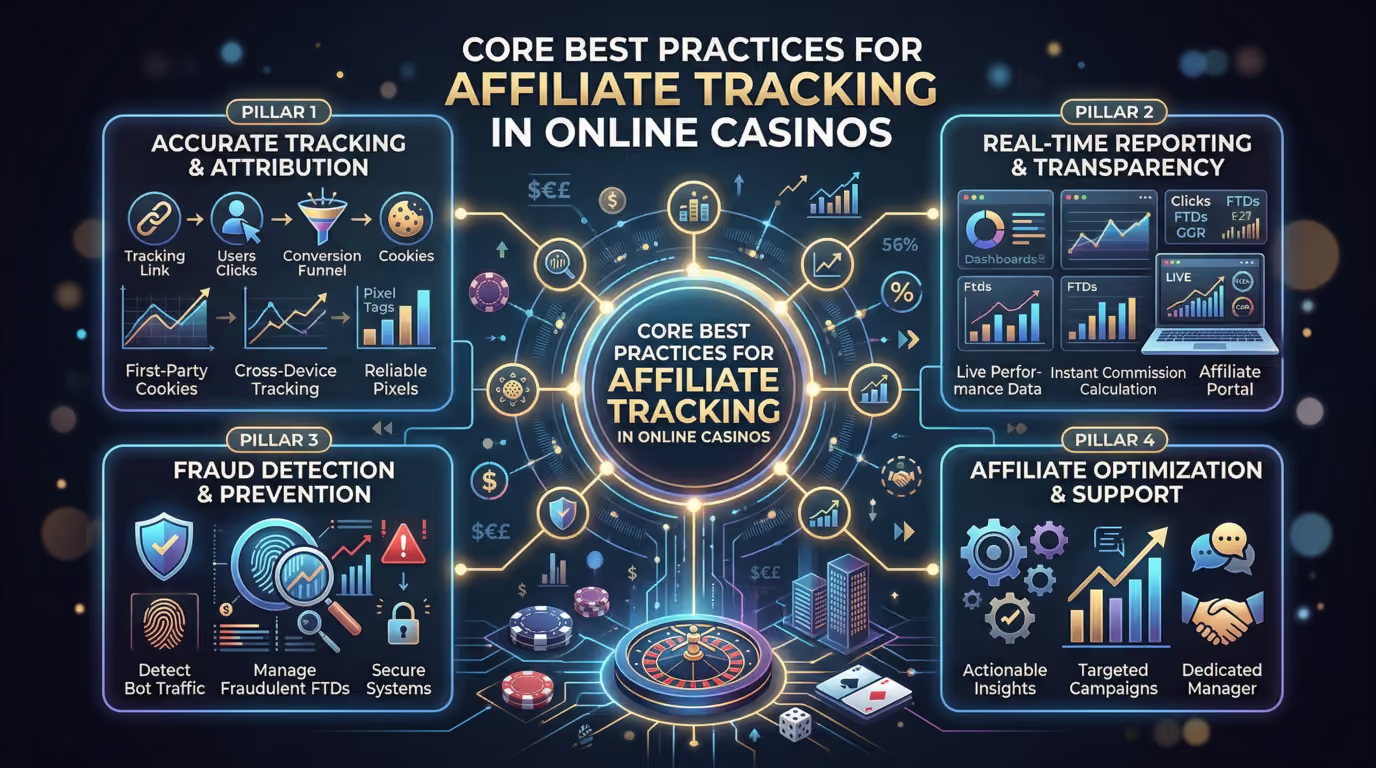
Use Server-to-Server Tracking as Your Default
Cookies get blocked. Browser privacy settings have tightened significantly over the past few years, and that trend isn't reversing. Server-to-server (S2S) postback tracking bypasses the browser entirely. When a conversion event happens on your platform, your server fires a signal directly to your affiliate platform's server.
This results in far more accurate attribution, fewer lost conversions, and a setup that holds up even as browser behavior changes.
If you're still relying primarily on pixel or cookie tracking, switch. Your affiliates will thank you when their dashboards start reflecting what's actually happening.
Set Attribution Windows That Reflect Player Behavior
A 24-hour cookie window might work in e-commerce, but iGaming players often take days or weeks before they register and deposit. They might click an affiliate link on Monday and sign up the following weekend after seeing a promotion elsewhere.
Most successful casino affiliate programs run attribution windows of 30 to 90 days. Some go longer for high-value traffic sources. The key is matching your window to actual player decision timelines, not just defaulting to the shortest option.
Review your registration-to-first-deposit data. How long does that journey typically take? Let that number inform your attribution window.
Track Beyond the First Deposit
Most affiliate tracking setups nail the click-to-registration flow. Where things get fuzzy is further down the funnel, and that's where the money is in iGaming.
Player lifetime value matters a lot here. A player who deposits once and leaves is worth far less than one who plays regularly over six months. If you're running RevShare deals, your tracking needs to follow that player's activity accurately over time.
Make sure your platform tracks:
- First deposit events
- Subsequent deposits and activity milestones
- Player lifetime value (LTV) by affiliate source
- Churn signals so you can assess traffic quality per partner
This data protects you and helps you have honest conversations with affiliates about traffic quality and commission adjustments.
Segment Your Affiliates and Their Traffic
Not all affiliates are the same, and treating them that way creates blind spots in your data.
A comparison site sending high-intent, organic traffic behaves very differently from a social media influencer running a bonus promotion. If you lump them together in your reporting, you'll miss what's actually working.
Segment by:
- Traffic type (SEO, paid, social, email)
- Geography (different markets convert and retain differently)
- Partner tier (new affiliates vs. established partners)
- Commission model (CPA vs. RevShare vs. hybrid)
Once segmented, you can optimize by segment rather than making broad sweeping changes that help one group while hurting another.
Automate Your Postback Testing Regularly
Postbacks break. Not often, but they do, and when they do silently, you may not notice for days. Partners see their conversions drop to zero and assume something's wrong on their end. You lose trust fast.
Build a regular postback testing routine into your operations. Most enterprise affiliate platforms let you fire test events to confirm postbacks are firing correctly. Do this after any platform update, integration change, or when a partner flags tracking discrepancies.
A 15-minute check every couple of weeks is far cheaper than a broken relationship with a top affiliate.
Be Transparent With Your Affiliate Partners
This one sounds obvious, but a surprising number of casino programs treat their dashboards as black boxes. Affiliates send traffic, see some numbers, and have to trust everything is accurate.
The best-performing programs open up more data to partners – enough for affiliates to see how their traffic is performing, understand why commissions fluctuate, and identify opportunities to improve.
Transparency builds trust. And in iGaming, where affiliates have plenty of programs to choose from, trust is a competitive advantage.
How Fraud Detection Fits Into Your Tracking Setup
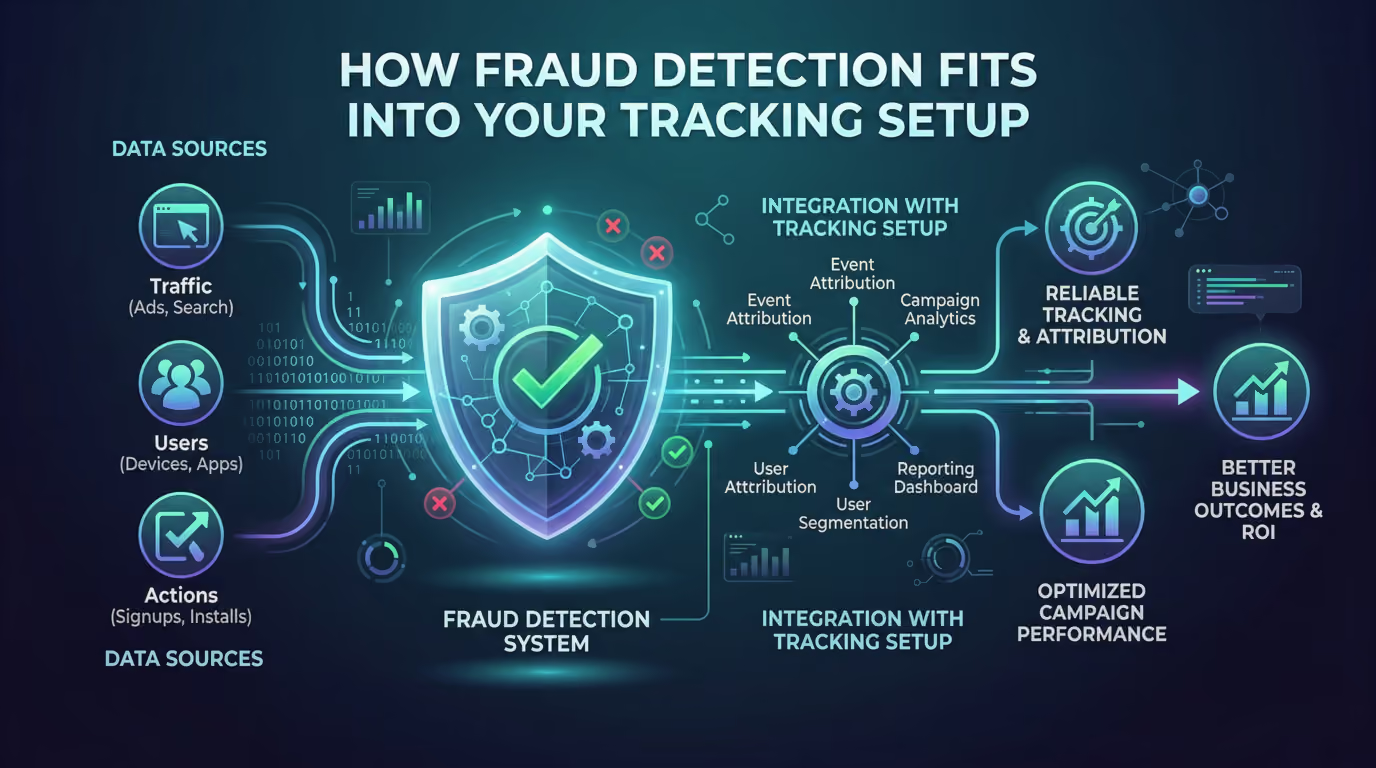
Affiliate fraud in iGaming is real and varied. It includes self-referrals, fake player accounts, traffic bots, and bonus hunters churning through new accounts. A good tracking setup catches a lot of this before it becomes a payout problem.
Key signals to monitor:
- Unusual click-to-registration ratios (very high rates may indicate bots)
- Multiple accounts tied to the same IP or device fingerprint
- Players depositing the minimum required amount then immediately withdrawing
- Traffic spikes that don't align with any campaign activity
Most mature affiliate tracking platforms include some level of fraud scoring. If yours doesn't, that's a gap worth addressing, especially if your program is scaling.
TheAffiliatePlatform: Built for the Complexity of iGaming
.avif)
If you're looking for a platform purpose-built for casino affiliate tracking, not adapted from a generic affiliate tool, TheAffiliatePlatform is worth a serious look.
Developed by Gamify Tech Ltd., the founders of Smartico.ai, it's a SaaS solution designed specifically for iGaming operators who need more than basic link tracking. Here's what sets it apart for the use cases covered in this guide:
Real-time tracking and analytics mean you're always working with current data, not yesterday's numbers. This matters when you're making daily decisions about traffic, commissions, and partner relationships.
Multi-level network support lets you build sub-affiliate structures, which is useful when working with larger media partners who manage their own networks.
Custom deal configurations handle CPA, RevShare, hybrid, and tiered structures without requiring workarounds or manual adjustments. You set the logic once, and the platform handles the math.
Media tools and A/B testing let you optimize creatives and landing pages directly within the platform – tighter feedback loops, better conversion data.
Fraud detection and compliance features are built in, not bolted on. For regulated markets, that matters.
It's not the only platform in the space, but if your program is growing and your current setup is showing strain, it's a natural next step. Book a demo here to see how it handles your specific setup.
Common Affiliate Tracking Mistakes to Avoid
Even experienced operators slip up here. A few to watch:
- Ignoring mobile tracking gapс: A large share of iGaming traffic is mobile. Make sure your tracking handles app installs, mobile web, and cross-device journeys.
- Running outdated tracking codes: Old JavaScript snippets on your site can conflict with privacy blockers and cause silent tracking failures.
- Not reconciling affiliate reports with your internal data: Run a monthly cross-check between what your affiliate platform reports and what your own player database shows. Gaps need investigation.
- Paying commissions without verifying traffic quality: Especially with new affiliates, run a 30-60 day review before committing to long-term structures.
FAQ: Affiliate Tracking in Online Casinos
What's the difference between cookie tracking and server-to-server tracking in iGaming?
Cookie tracking relies on the player's browser to store and send attribution data. It's simpler to set up but breaks when cookies are blocked or cleared, which happens a lot now. Server-to-server (S2S) tracking communicates directly between servers, making it far more reliable for iGaming where conversions can happen days after the initial click.
How long should my cookie or attribution window be for casino affiliates?
Most iGaming programs run 30 to 90 days. The right window depends on how long your typical player takes from first click to first deposit. Check your own data – if most players convert within two weeks, a 30-day window is fine. If it takes longer, extend it.
How do I detect affiliate fraud in my tracking data?
Look for patterns: unusually high click-to-registration ratios, players who deposit the minimum and immediately request withdrawal, traffic coming from a single IP range, or sudden traffic spikes tied to a single affiliate. Most modern iGaming affiliate platforms include fraud scoring tools that flag these automatically.
What commission models should I track differently?
CPA deals are straightforward – track the qualifying conversion event. RevShare requires tracking ongoing player activity over time. Hybrid deals need both. Make sure your platform handles each model's tracking logic separately so commissions calculate correctly.
Can affiliate tracking help me identify my best-performing traffic sources?
Yes, and it should. Segment your affiliate data by source type, geography, and partner. Look at not just volume but player LTV by segment. This tells you where to invest more and where to pull back.
What should I do when an affiliate reports tracking discrepancies?
First, check your postback logs to see if the conversion events fired correctly. Then compare with your internal player database. If there's a gap, investigate whether it's a tracking configuration issue, a timing problem, or a fraud signal. Respond to the affiliate quickly, even if the answer takes time.
Final Words
Affiliate tracking in online casinos isn't set-and-forget. It needs regular attention, the right tools, and a real commitment to accuracy. The programs that run well are the ones where operators actually know their numbers – not just total clicks, but who's sending quality traffic, where attribution is holding up, and what the data says about each partner relationship.
If your current setup has gaps, now's a good time to address them. And if you're building something new, start with the practices above rather than retrofitting them later.
Want to see how a purpose-built iGaming affiliate tracking platform handles all of this? Book a demo with TheAffiliatePlatform and walk through your specific setup.
Related Guides:
"how affiliate tracking works" → https://www.theaffiliateplatform.com/en/post/en-post-affiliate-tracking-s2s-postback-pixel
Need help?
Lets have a chat!
Lets have a chat!
We're here to help you understand how our platform can meet your needs. Schedule a meeting with us, and let's explore how we can drive your success together.
Book a meeting
